
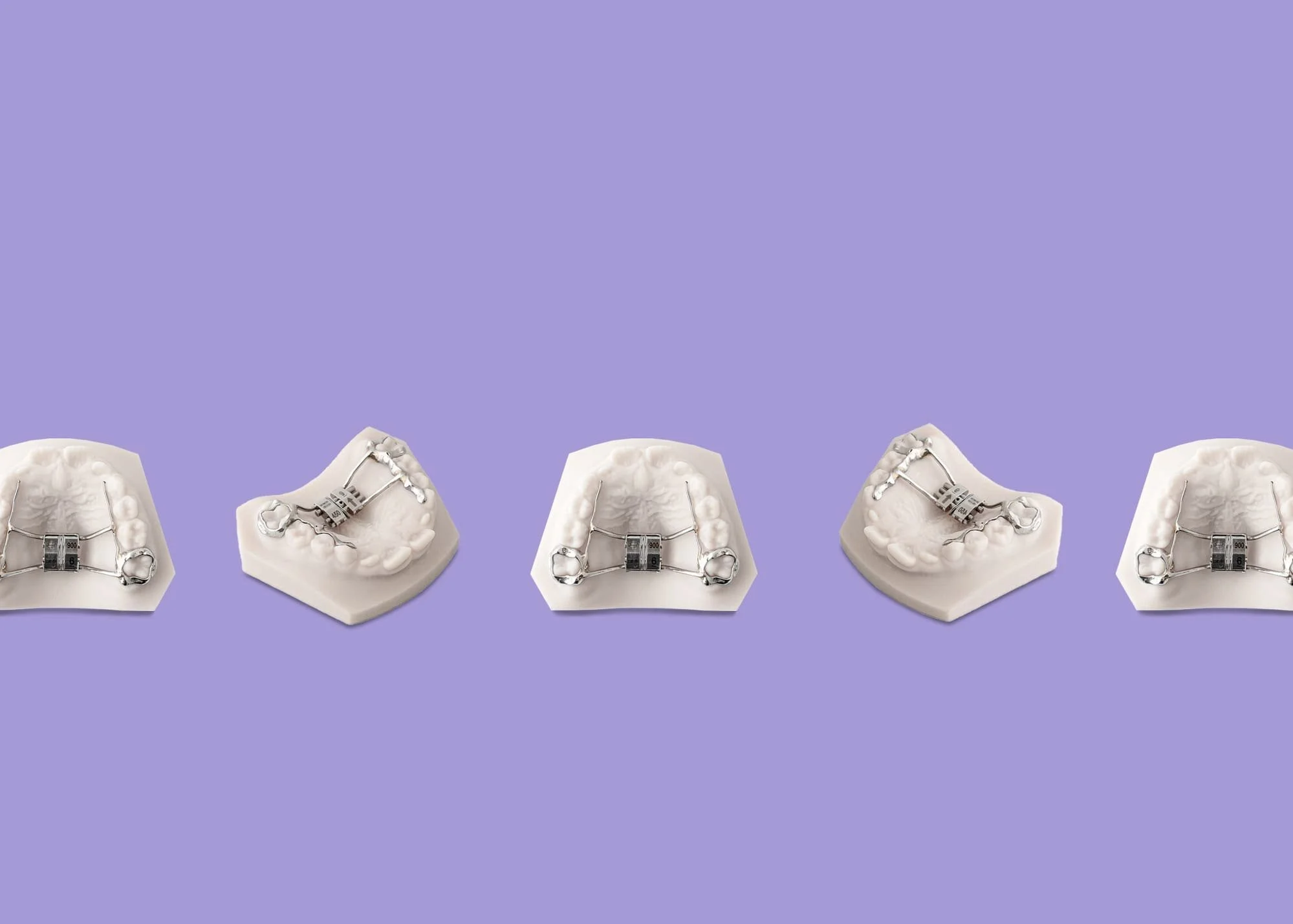
We typically recommend full orthodontic treatment after all the permanent teeth have erupted, usually around age 12. The American Association of Orthodontists, however, recommends that every child have an orthodontic evaluation between the ages of 6 and 8. At this stage we can identify growth patterns or tooth position issues that may benefit from earlier attention.
Early, interceptive treatment can help address crossbites, underbites, significant crowding, impacted permanent teeth, under- or over-developed jaws that affect the facial profile and bite, and constricted airways. By guiding development while the bones are still growing, we often take a less invasive, preventive approach and can reduce the chance of needing more complex treatment (such as jaw surgery) later.
For children who do not need early treatment, we offer a Growth & Guidance program. We see these patients at least once a year at no charge to monitor growth, determine the ideal timing for any future treatment, and reinforce habits that support a healthy smile for life.
Airway Aware
We take an airway-aware approach to orthodontic care. This means we evaluate how jaw growth, arch form, and tooth position can influence breathing and facial development.
A constricted upper jaw or underdeveloped facial structures can sometimes reduce airway space. When we see these patterns early, carefully planned orthodontic treatment (including expansion when appropriate) can support healthier growth and create more room for proper tongue posture and nasal breathing.
Orthodontics is not a cure for sleep or breathing disorders. When airway concerns are present, we collaborate with pediatricians, ENTs, and sleep specialists as needed. Our goal is to support healthy development while creating a stable, functional smile.
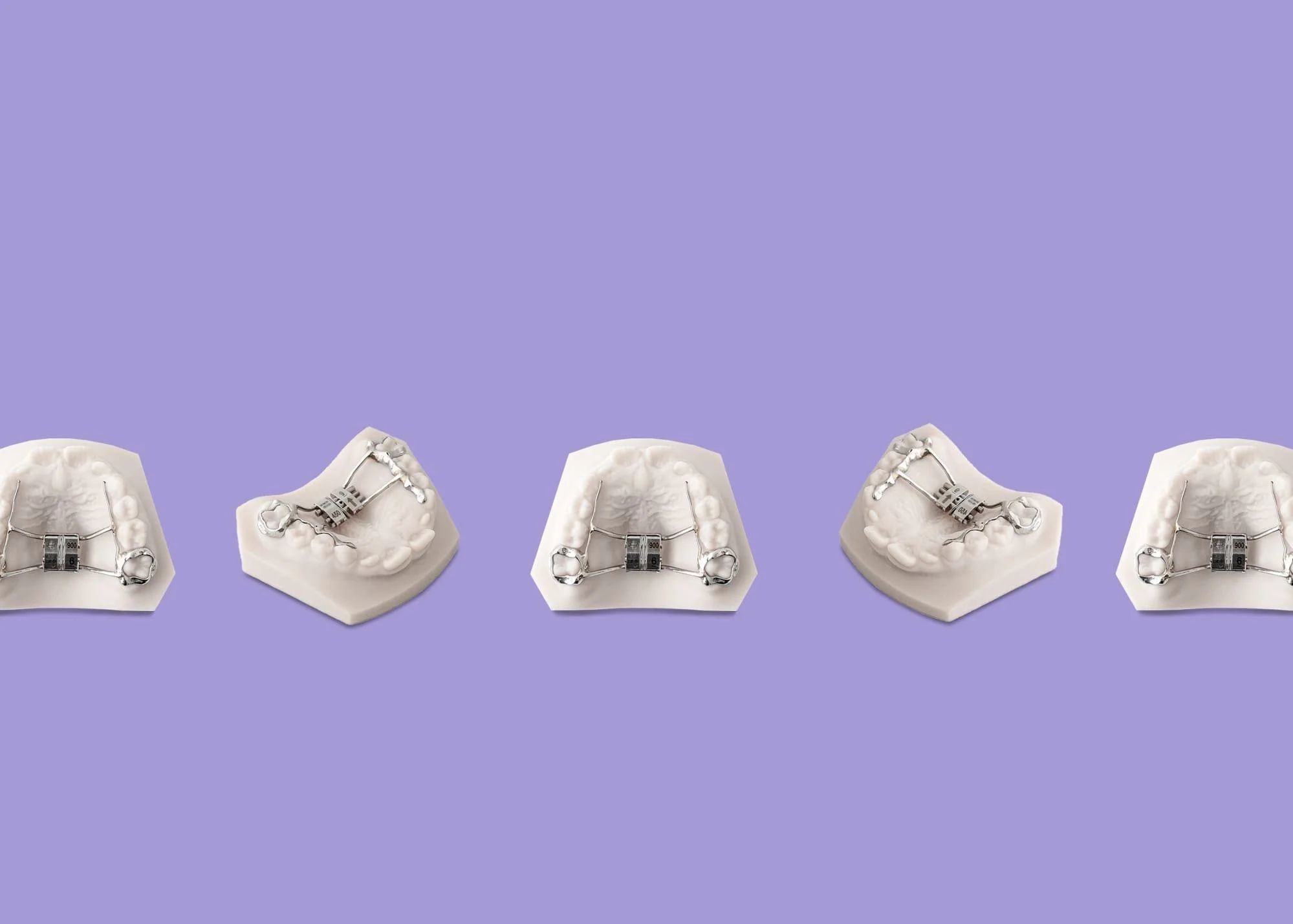
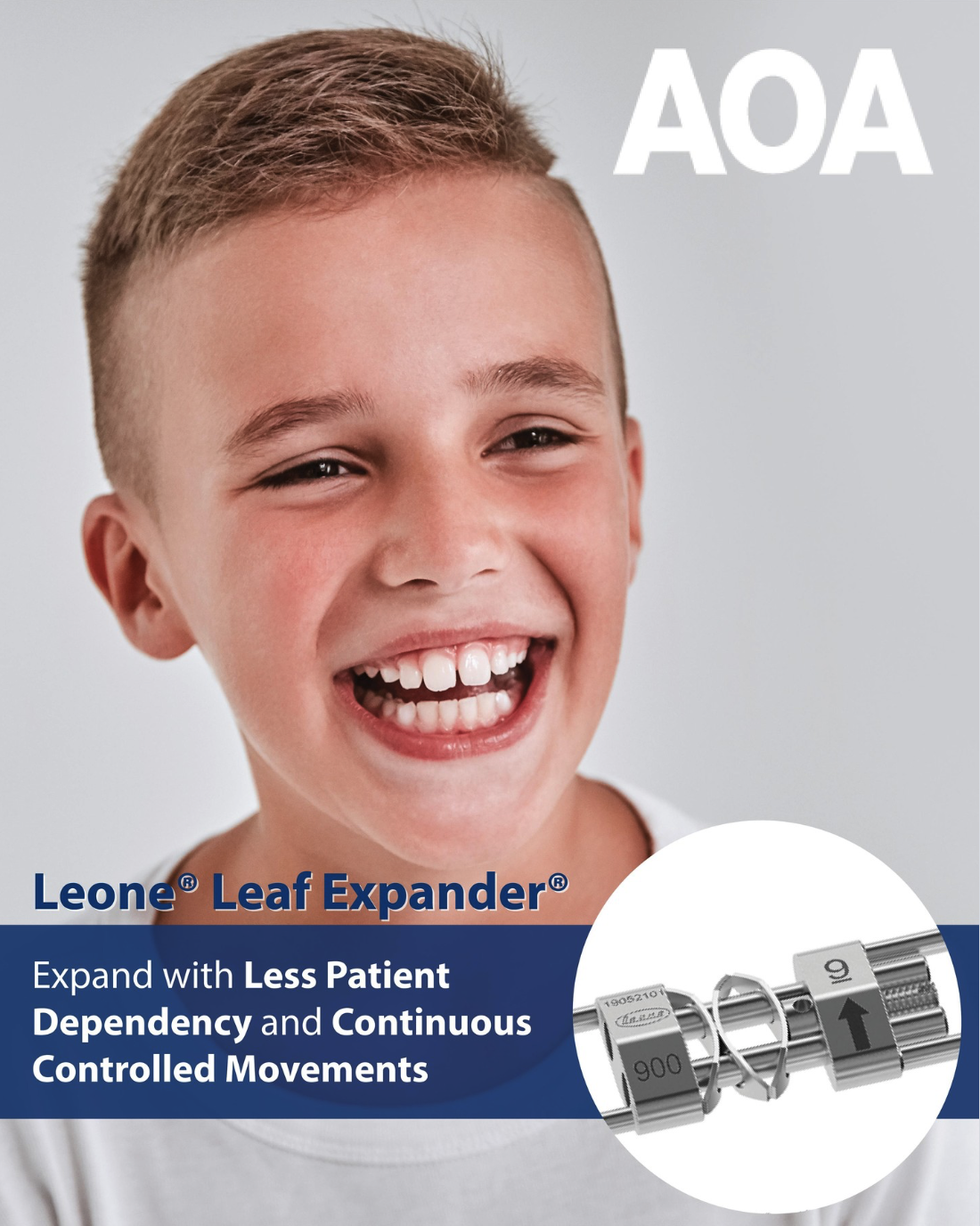
When a narrow upper jaw limits tongue space or restricts nasal airflow in some patients, carefully planned maxillary expansion can help create more room. In growing children this often supports better nasal breathing while also improving arch form and tooth alignment. We take an airway-aware approach and select the expansion method based on the child’s age, skeletal maturity, and individual needs. Treatment is never one-size-fits-all.
The Leaf Expander is one option we use when expansion is indicated. It delivers light, continuous force through nickel-titanium leaf springs, so parents do not need to turn a key at home. This removes a common source of stress and inconsistency. The result is a predictable and patient-friendly way to address transverse maxillary deficiency during early orthodontic treatment when it is appropriate.